
Tlingit & Haida, Ketchikan Indian Community and the Alaska Native Heritage Center are calling for respect after social media videos showed visitors mocking Alaska Native cultural symbols.
Alaska Native leaders are calling for respect after recent social media videos showed visitors mocking or imitating totem poles and other cultural symbols. Tlingit & Haida issued the statement with Ketchikan Indian Community and the Alaska Native Heritage Center. The message was direct: Alaska Native homelands, cultures and peoples are not entertainment props.
The statement said the videos showed a lack of understanding of the people, histories and living cultures represented by totem poles and other cultural treasures.
This is not only about poor visitor manners. It is about the way Native cultures are often treated in public life: admired as scenery, copied as decoration, sold as a tourism experience, and then ignored when Native people ask for respect.
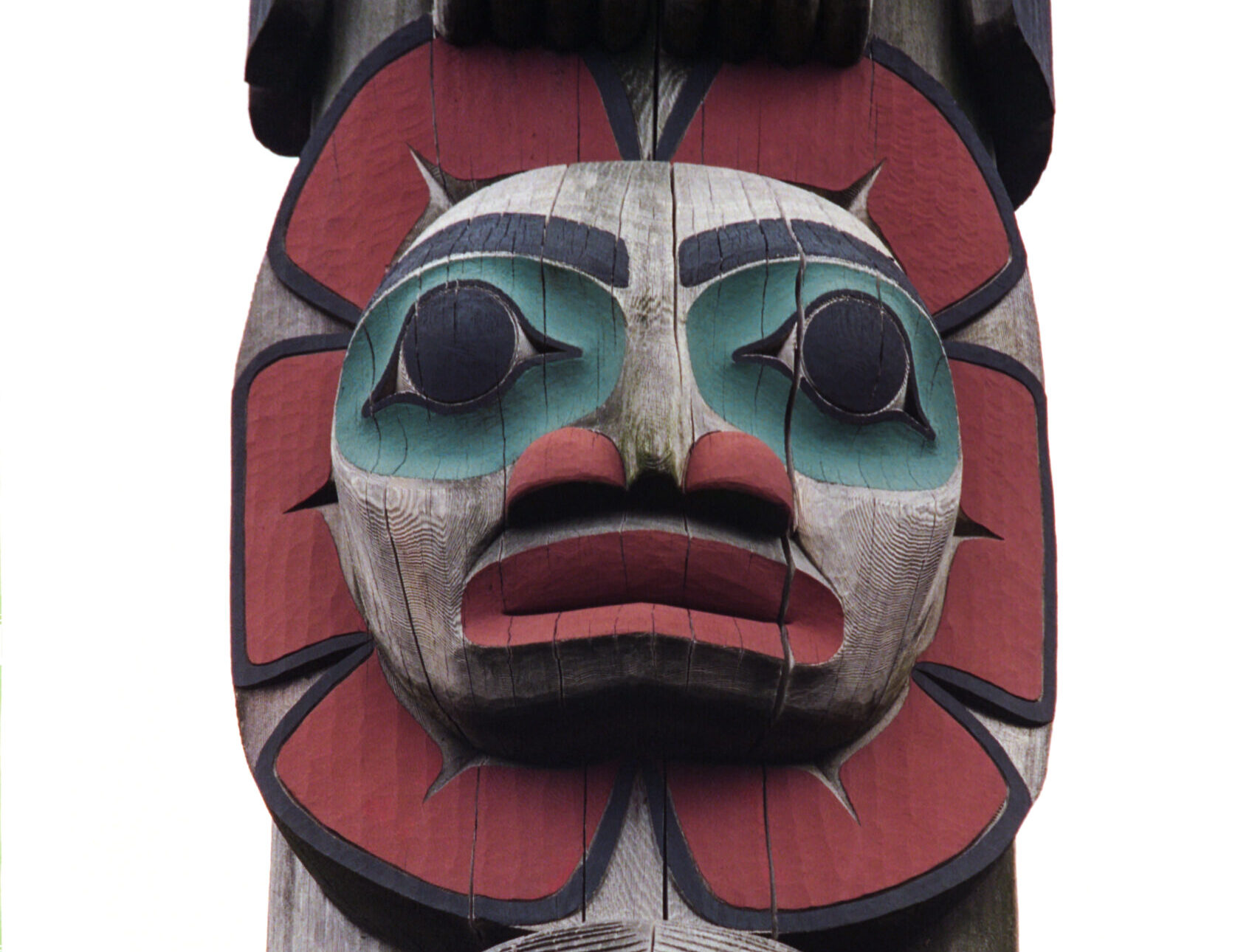
For the Tlingit, Haida and Tsimshian peoples, totem poles are not relics. They are tied to clans, houses, families, ancestors, names, histories and responsibilities. They can carry clan stories, mark important events, honour ancestors and make visible the relationships that hold communities together.
Sealaska Heritage Institute educational materials describe totem poles as deeply significant to Tlingit, Haida and Tsimshian people. They tell clan stories, record important historical events and, in some cases, mark the resting place of clan leaders.
That is why mockery of a totem pole is not the same as joking beside a roadside sign. It touches something much older and more serious. Ketchikan Indian Community President Gloria Burns said respect must be the foundation of any relationship between Indigenous communities and those who benefit from Native cultures, art, history and homelands.
Tlingit & Haida President Richard J. Peterson said totem poles are not tourist props, social media backdrops or objects to be mocked for entertainment. He said they carry histories, clan stories, ancestors and cultural teachings.
Kelsey Ciugun Wallace, president and chief executive of the Alaska Native Heritage Center, said culture is not something Alaska Native peoples visit. It is something they live.
A visitor may come to Southeast Alaska for a week. A cruise ship may stop for a day. A video may be posted in a few seconds and forgotten by the person who made it. But the people whose homelands are being visited live inside a much longer story.
The history behind this is not only cultural. It is political and economic.
Native art and cultural symbols have often been taken, copied, collected, displayed, sold and explained by outsiders. Museums, tourism businesses and private collectors have benefited from Native objects and images, sometimes while Native people had to fight for the return of cultural items or for basic recognition of their own authority over their histories.
That is why “respect” is not a soft word here. It is a standard of conduct.
The statement also pointed to wider problems: cultural appropriation, counterfeit Native art, misrepresentation of Indigenous histories and the commercial use of Native cultures without meaningful Native leadership or involvement. These are not separate issues. They come from the same habit of treating Native identity as something available for use.
In tourist places, that habit can be especially visible. Native culture is used to attract visitors, sell tickets, decorate public space and create a sense of place. But if Native people are not listened to when they say something is disrespectful, then the public display becomes extraction, not education.
Visitors are welcome, the statement said. But being a guest carries responsibility.
Sources
Tlingit & Haida — Respect for Alaska Native Homelands, Cultures, and Peoples Is Not Optional: https://tlingitandhaida.gov/news/respect-for-alaska-native-homelands-cultures-and-peoples-is-not-optional/
Sealaska Heritage Institute — Cultural Significance: Totem Poles: https://sealaskaheritage.org/wp-content/uploads/2024/03/SHI_Edu_Hai_GK-1_TotemPoles.pdf
Sealaska Heritage Institute — Clans and Moieties Education Unit: https://sealaskaheritage.org/wp-content/uploads/2024/04/SHI-Alaska-Education-Social-Studies-Grade-6-Unit-7_Clans-and-Moieties.pdf
Alaska Native Heritage Center: https://www.alaskanative.net/